

American Tradition
Some were never meant for us.

Things have been really difficult at work lately. Not difficult in the normal kind of way, like: “Ahh! I have so many things on my to-do list, and my inbox is filling up, and my calendar is packed with meetings!!”
That was for simpler times.
Lately, it has been difficult in a not-normal kind of way like: “Ahh! The president is accusing my workplace of brainwashing the country, and he’s threatening to shut it down unless it abandons its principles and bends to his will!!”
When I started writing this series, I intended to never discuss the institution where I work, but it has been hard to do that when it keeps ending up on the front page of the news. Every week, another one of our museums is embroiled in controversy. Executive orders fall left and right around us like anvils in Toon Town, simultaneously calling us lazy freeloaders and also cunning traitors, who have distorted history and science in ways that must be re-Americanized and made great again. As employees, we are told to “stay the course,” a course which seems to lead deeper and deeper into an abyss. We work at a place that symbolizes the nation’s well of knowledge, but if asked any of the questions about it that are dominating the national conversation, we’re supposed to play dumb. This is not what I signed up for.
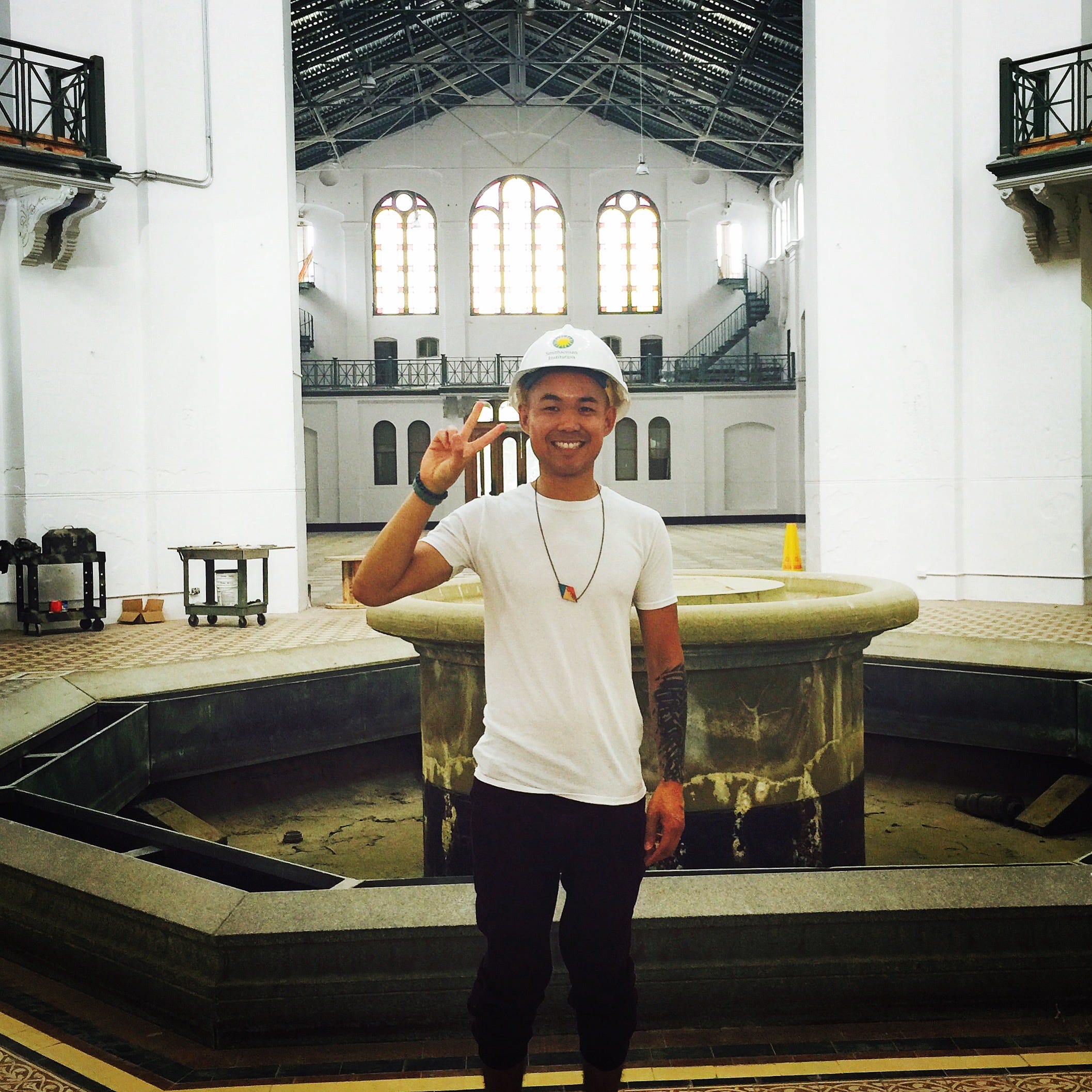
I was drawn to working in museums because I’ve always found them powerful places to tell stories. When I started the job over a decade ago, I was introduced to how deeply entrenched the institution that hired me is in America’s sense of tradition. These museums hold sacred family memories – not just through the objects they archive, but through the generations of Americans that make pilgrimages to witness them. I’ve heard people reminisce about how they brought their children to see the same vessels, fossils, and artifacts that their own parents showed them when they were young. Growing up in an immigrant family in California, I did not share in this experience, but at work I became passionate about helping more people like me feel like they could. I dedicated years to transforming the museums to show different kinds of artists, to highlight untold moments, and to carve new spaces. I fantasized about one day having kids and bringing them to these museums I’ve helped shape. “Look, kids, this is what dad does.”
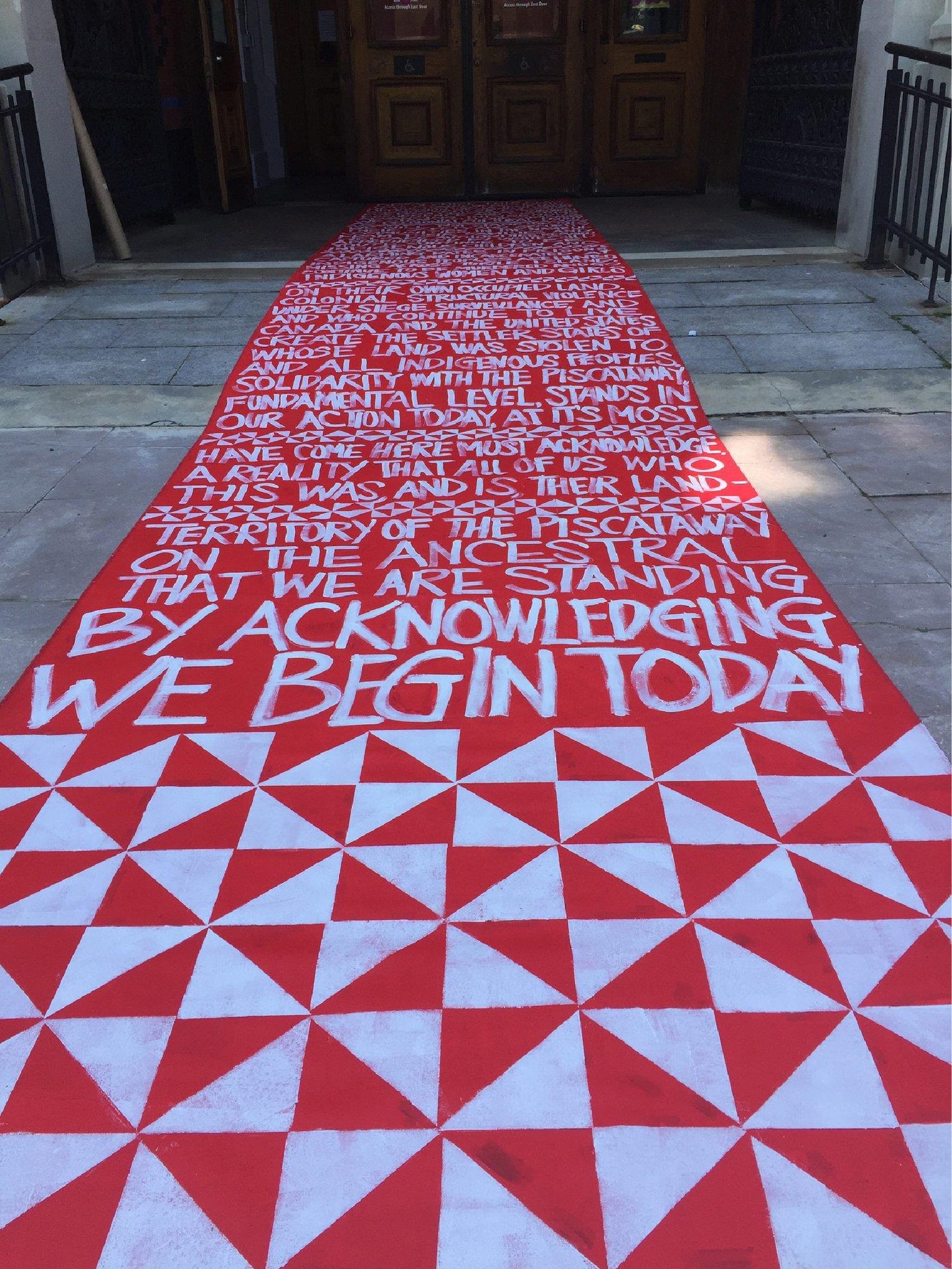
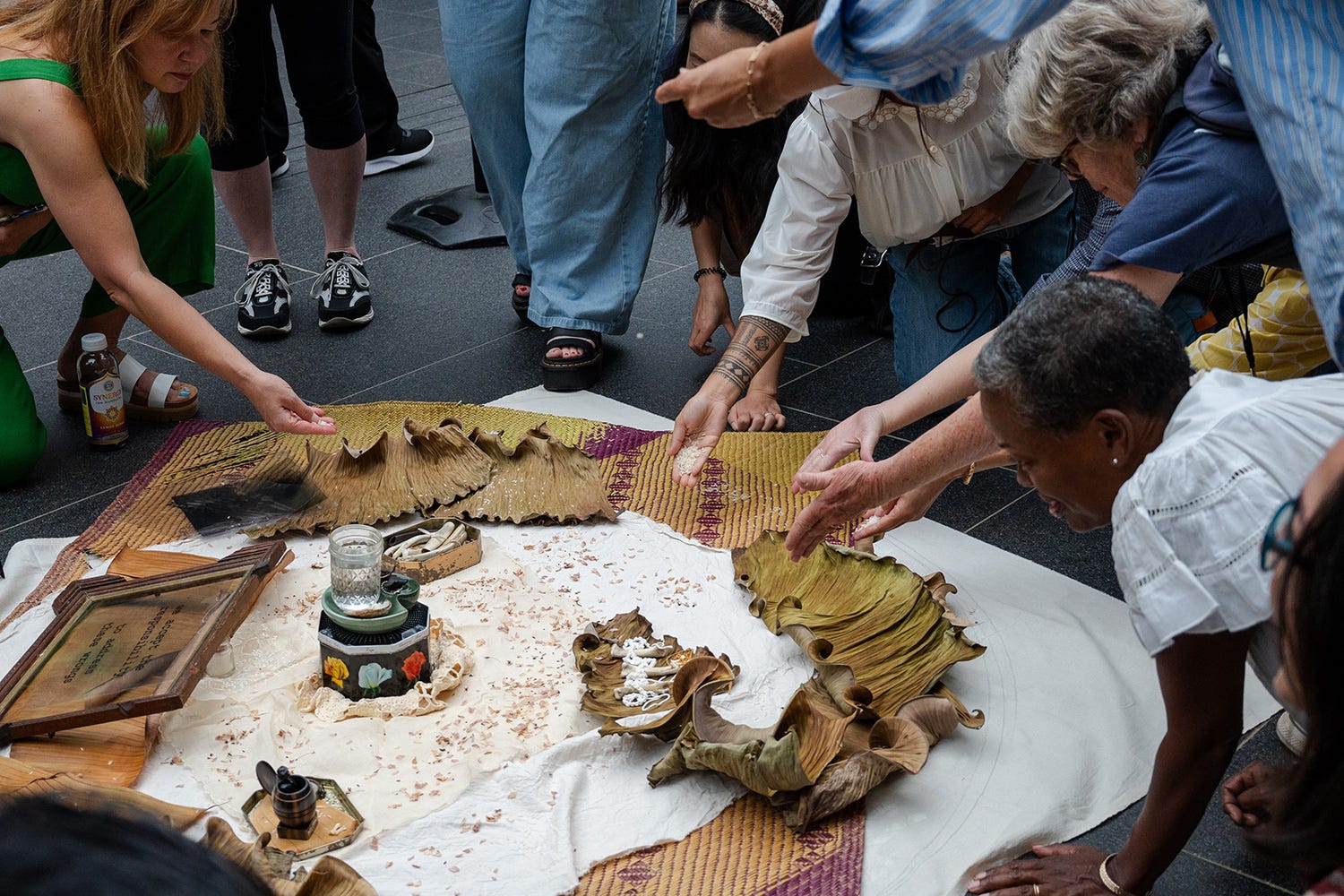
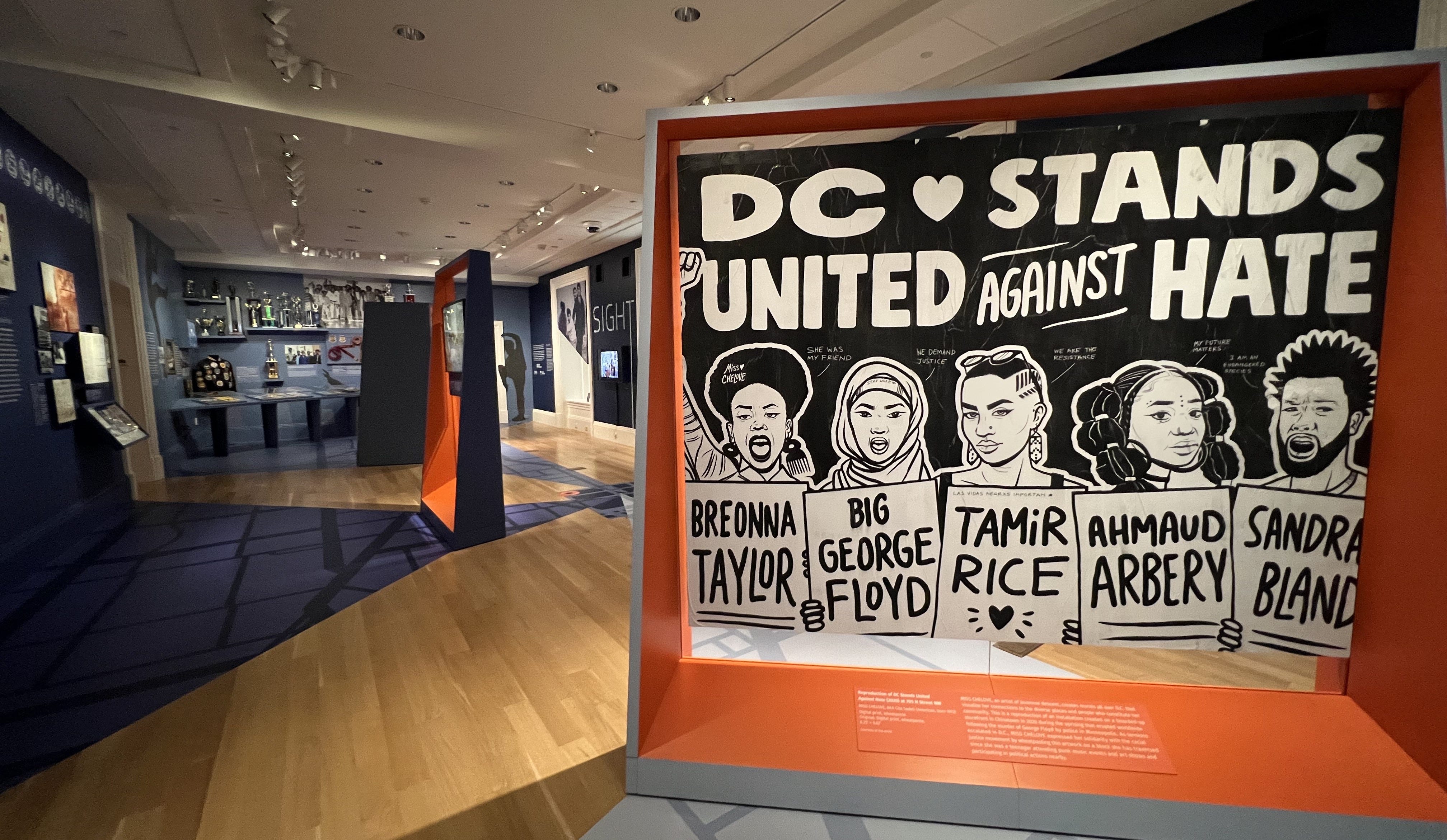
By the time you were born, we had relocated to the West Coast and the pandemic had normalized remote work. My desk in D.C. was a dust field, my office computer bricked from the lack of software updates, and I had not stepped foot in any of the museums for almost three years. To you, “Dad has to go to work” has always simply meant me going upstairs and opening my laptop – a mystery box which, whenever you peek over, reveals a grid of strangers for me to talk to, or a sea of letters for me to type into, or a ton of open tabs from me to click through. I sometimes think about how I never really understood what my parents did when they left each day for work, and how I’ve somehow upheld that lineage of mystery without leaving the house.
When you were 9 months old, I brought you to Washington for the first time on a work trip. You were still basically a beanbag then, but I gleefully took you through the halls that I had typically only entered to run from one meeting to the next. With your eyes glazed over and mouth agape, I strolled you through taxidermic cheetahs and ornately-framed paintings. No, I hadn’t curated these particular exhibitions, but I was nonetheless excited to unearth for you the kind of work that was tethered to my identity before you were born. I reveled in being a tourist with you in my own workplace. At long last, I could partake in the American tradition I’d spent so long curating for others.
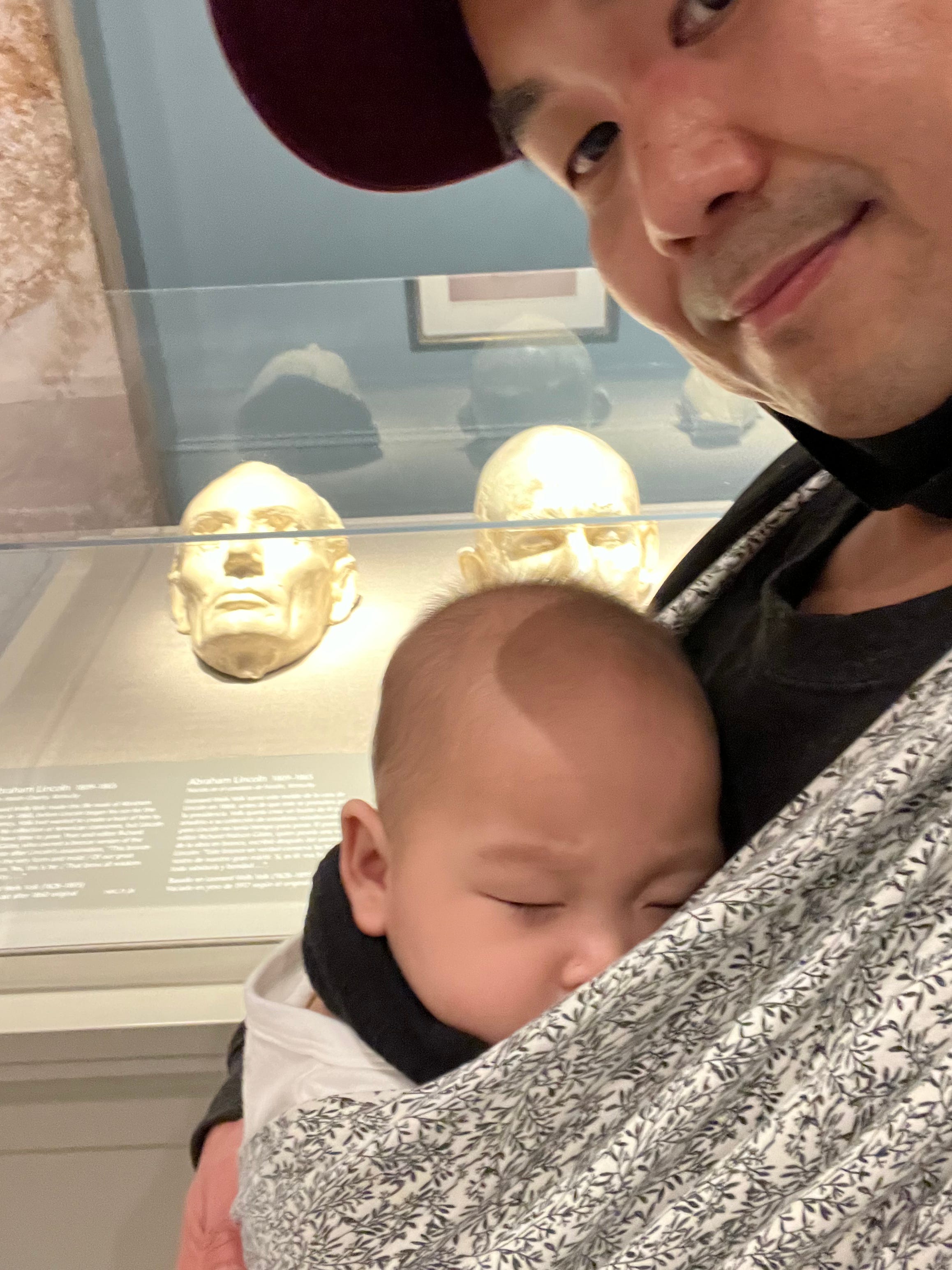
I’m not sure how much of this will matter by the time you’re old enough to remember things. Not to be dramatic, but I’m not even sure if these museums will be around – or if they are, if they’ll be recognizable. Maybe the things I describe having once helped bring into these buildings will sound like tall tales, hallucinations from your old man. I wonder if it will be up to the people to keep the memories of these museums alive, when it was always supposed to be the other way around.
Since the start of this year, much of my attention at work has been blanketed by anxiety about getting suddenly fired by a billionaire, having all of my accomplishments eviscerated from historical record for being too woke, or worse. Every day I come across commentary about how the work I’ve poured myself into has not contributed to American society, but instead eroded whatever those in power feel it is supposed to be. It has been tough to not start each morning with a dreadful sense that my days are numbered at a job a love, and perhaps the country I love.
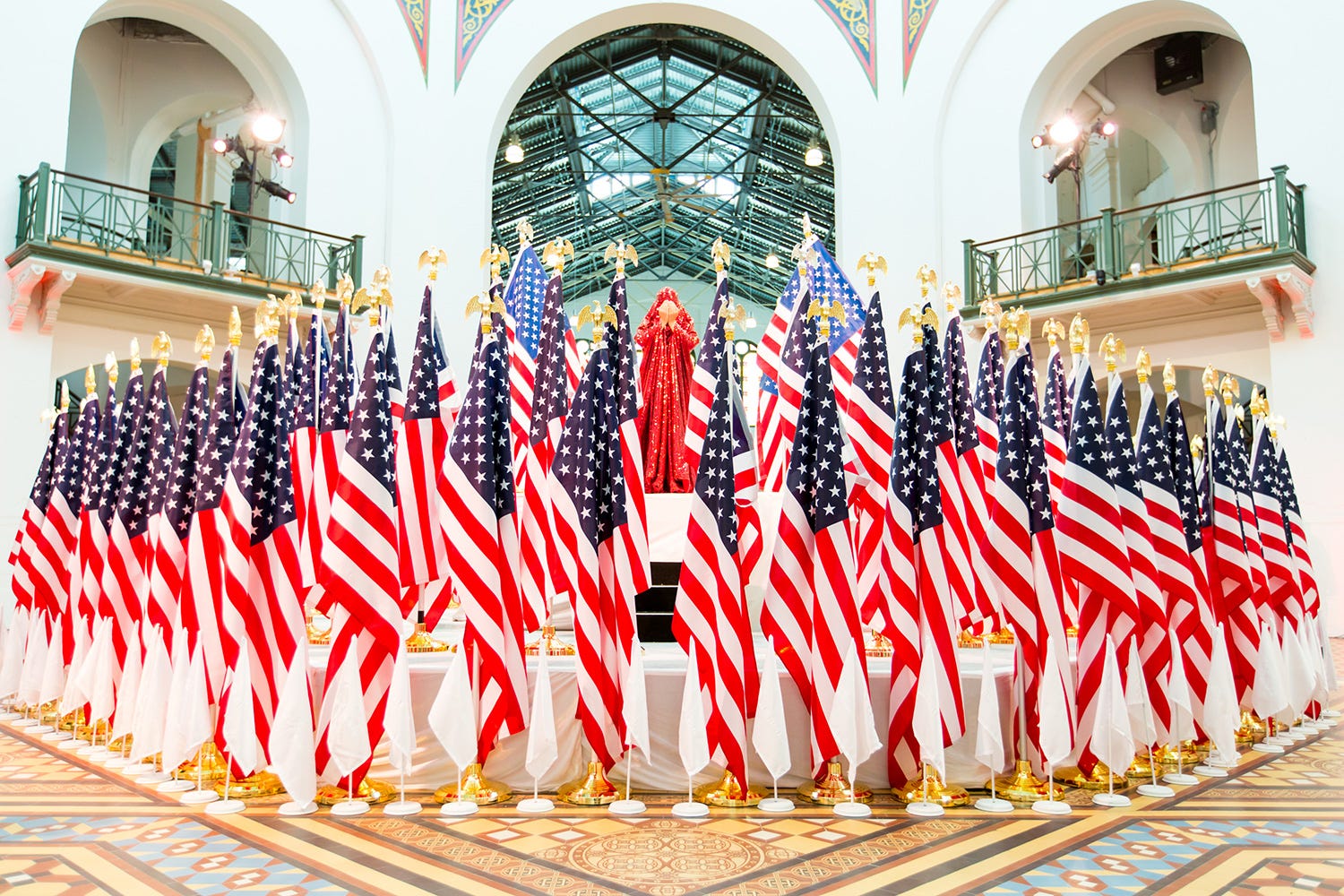
Maybe this is how it all happens: a different kind of tradition – one many of us are forced into, and one we are familiar with. Dad used to be a doctor, Dad used to be a professor, Dad used to be a curator at renowned museums – until the rug was pulled from under us and it all became just about staying afloat. Will this world I’ve meticulously learned to navigate slip away, replaced by one I’ll need you to hand-hold me through by the time you grow up?
I’m beginning to recognize the reams of life that parents sojourn before their children are born, which are interpreted by the young as prologue. I’m starting to understand how past lives can be too complicated, or blurred, or painful to recollect. I imagine you one day coming home from school and asking me to “tell my story” for an oral history project. I’ll sit with arms crossed and lips pursed as you read from a worksheet about how to get your crusty millennial parents to open up. Some stories hurt to recall, not because we wish to keep them behind us, but because we regret we couldn’t bring them along.
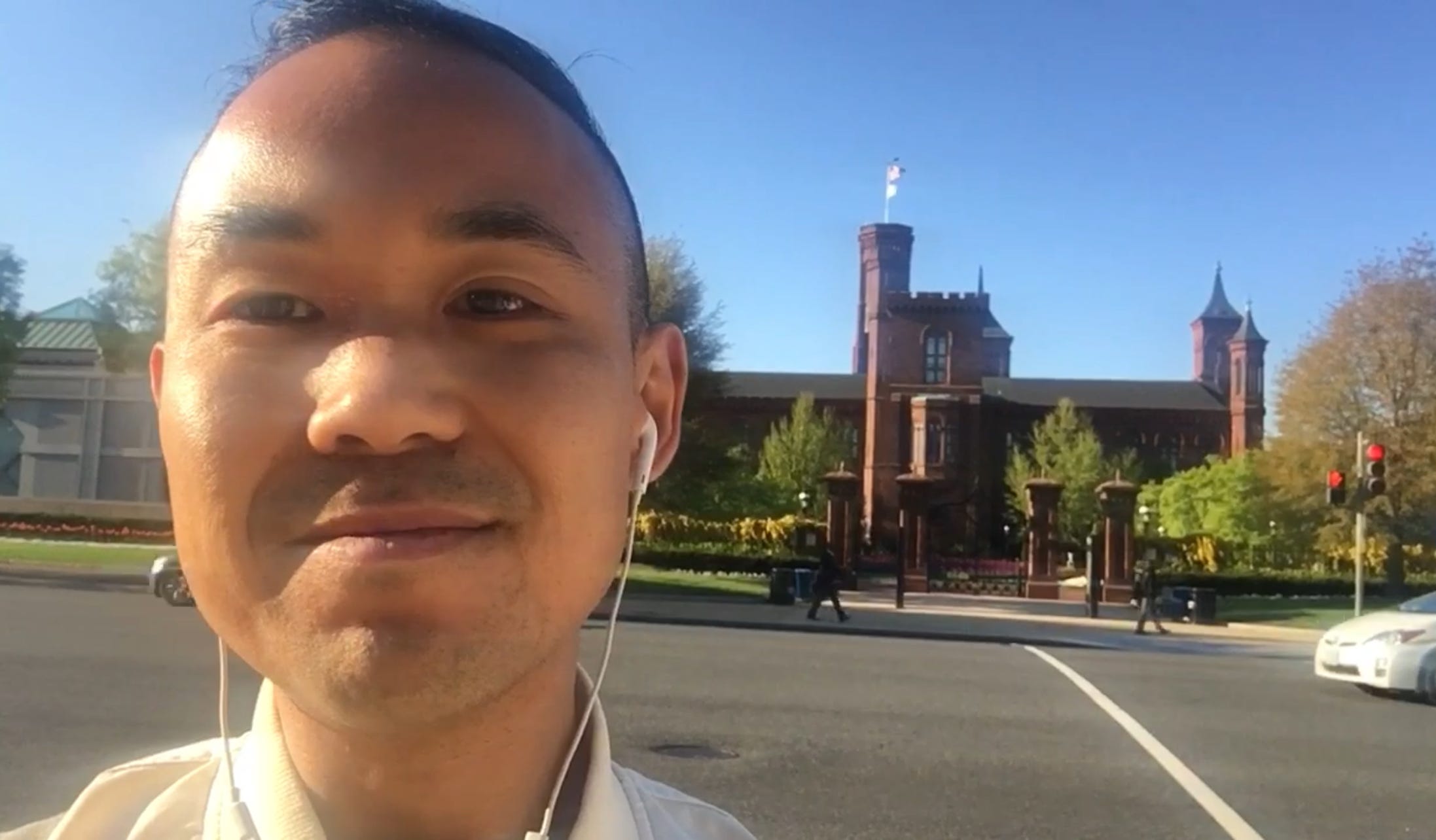
While writing this, I scrolled through 13 years of my phone’s photos looking for a picture of me “working at work.” After all those years zigzagging across the National Mall from museum to museum, I hardly ever stopped to snap a shot of myself in front of the monumental buildings. Each day felt so mundane…what was I going to do, take a selfie of myself editing project proposals?
But now that I’m all the way across the country, standing on the edge, I find myself wishing I had at least a few more that could neatly represent this defining era of my life. I spent so much time archiving the world, fixating on the historically significant, I forgot to document the small moments: the ones never meant to make it into museums; that are supposed to be forgotten by history; that find their place in a single photo album for one family to cherish privately and tell tall tales about over the kitchen table. In the end, maybe those are the only traditions that actually matter.